
Planning access for shoreline work on Lake Norman
Prepare for shoreline work on Lake Norman by reviewing the route to the water, gates, slopes, existing structures and material staging.
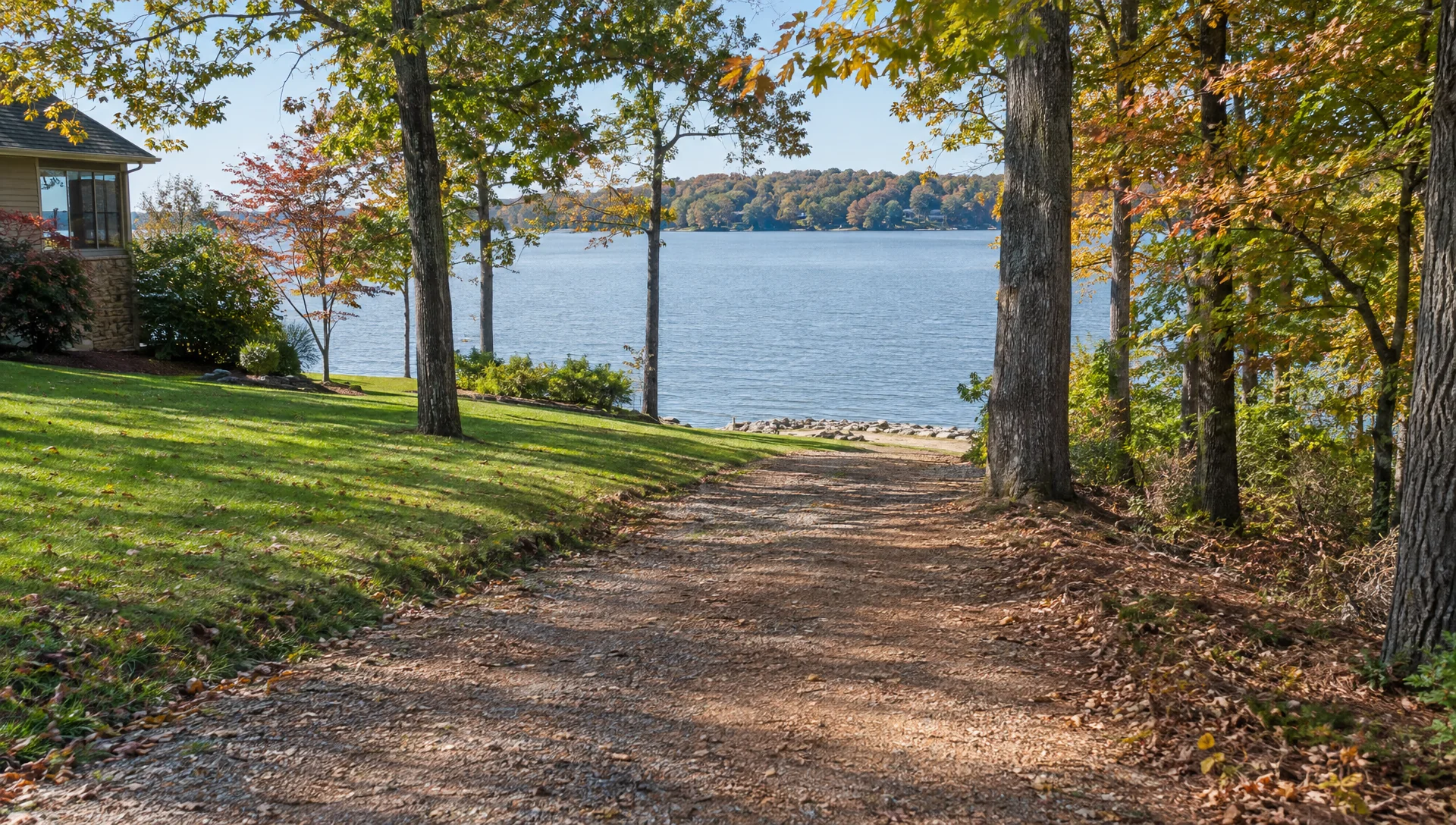
Access for shoreline work on Lake Norman means the whole route from the road to the bank, not just the gap beside the house. At CTC Grading & Hauling, we look at that route when we talk with you about riprap and shoreline restoration in Mooresville and nearby towns. Gates, slopes, turns and the ground underfoot all shape the job.
If you're thinking about riprap and shoreline restoration, a few access details will make the first call more useful. You don't need to clear the yard or move a fence before you call. Just show us what's there now.
What should you look at along the route to the water?
Start where the material would be dropped off and follow the likely route downhill. Note tight turns, places that narrow, steps, low branches and spots where the ground drops away. A wide entrance can still lead to a narrow or steep stretch farther along.
Tell us what the ground is like, too. A paved driveway, an open lawn and a soft strip beside a planting bed are all different. Mention irrigation, buried lines you know about or anything else along the route, without assuming you know where everything underground is.
Take photos of the route in order, not just the bank at the end. One from the driveway toward the side yard and another toward the water show how it all connects. Stay on firm ground, and don't climb a fence or walk a weak bank to get the shot.
Why do slope and turning room matter?
Moving material downhill takes more than measuring the narrowest gap. How steep the route is, where there's room to turn and what the ground is like near the shoreline all affect handling. A route that's easy to walk may still need a closer look before it's used for the work.
Tell Chris about retaining walls, sudden drops or steps near the path. Mention ground that gets wet after rain and any stretch that stays soft longer than the rest of the lawn. It's worth knowing even if everything looks dry the day you call.
Don't go by a photo of equipment on someone else's job. The access plan should fit your property and the work you need. Asking how material will get to the bank is more useful than picking the machine yourself.
What should stay clear during the work?
That depends on the plan, but it helps to tell us early what matters to you. Point out plants you want to keep, a walkway you use every day, the way onto the dock or a stretch of driveway you need. A clear list gives us something concrete to work around.
Ask where material might sit before it goes down to the shoreline and how the work area will be kept apart from everyday use. The handiest spot for unloading might also be the path your family uses most. Bring that up while we're working out the scope.
Be just as clear about property lines. If the only obvious route crosses someone else's land, tell us. Don't assume a contractor can use a neighbor's driveway or lawn without their agreement.
How does access affect a shoreline estimate?
Two banks of about the same length can take very different amounts of handling because the routes are different. Tight access, moving material farther and working around existing features can all change the plan. That's why shoreline length alone doesn't describe the whole job.
Ask what access arrangements are included and whether you're expected to do anything to get ready. Talk about what the route will look like afterward. If repairing disturbed ground matters to your decision, make sure it's in the scope, not just assumed.
Ground conditions can affect timing as well as access. Ask how conditions will be taken into account when the work is scheduled.
What if a dock or wall is close to the bank?
Nearby structures can cut down working room and affect the order of the work. Show how the dock, wall, steps and shoreline connect, instead of sending separate close-ups with no context. Tell us about any damage or movement you already know of.
We also do dock repair and retaining walls. If your project involves more than one of these, tell us the whole goal at the start, so we can talk about how the pieces fit together.
CTC is family-owned and led by Chris, serving Lake Norman, Mooresville, Huntersville, Troutman and Denver. A clear picture of how to get to your shoreline helps us understand the site before we set up the next step.
Questions we hear
Should I remove a gate before calling?
Leave it where it is until we've talked about access. Its width and location are useful to know, and you may not need to take it out at all.
Is an open lawn enough to confirm access?
An open lawn is only part of the picture. Slope, ground conditions, turns and what's nearby matter too.
How do I discuss access with CTC?
Call Chris at 704-902-1385 and describe the route from the road to the lake. Start on our contact page with your location and the shoreline work you have in mind.